

Playing multiple tables at once is a different kind of focus test, and it suits some players far better than others. This review looks at how the format holds up in practice, where the pace helps, and where it can cost you money if you are not careful. We have kept the assessment grounded in measurable outcomes rather than hype, because that is what matters when real funds are on the table.
How Multi Hand Blackjack Online Is Set Up
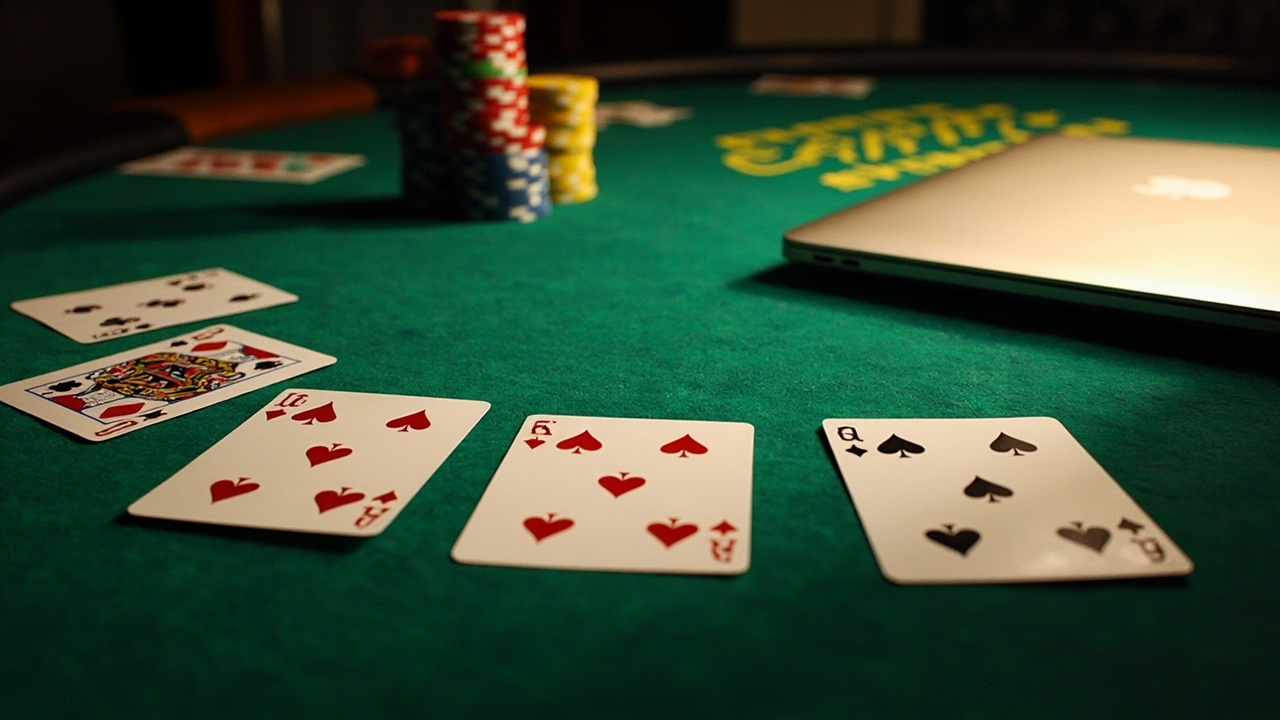
The format lets a single dealt hand play across several virtual positions at once, so one decision ripples across multiple bets. In practice, that means the action is faster per round, but each round carries more weight because you are committing to several spots simultaneously. The tables here are built around a clean, no-fuss layout, with the core offer centred on a few well-known blackjack variants rather than a long, cluttered menu. Two or three distinguishing traits stand out: the dealing speed is tuned so hands do not pile up, the bet sizing ladder is readable at a glance, and the session tools are easy to reach without digging through menus. Everyday usability is solid on desktop and workable on mobile, with the touch targets large enough that mis-taps are uncommon during a busy arvo session. The overall fit is for players who want more hands in less time without losing track of what they are doing, not for anyone chasing a novelty experience.
What to Expect From the Tables and the Pace
Bet structure and table limits
The min-max ladder is the first thing worth checking, because it shapes how many hands you can actually run at once. On the standard tables, the lower end starts around $1 and the ceiling sits near $250 per hand, which gives enough room to scale up without forcing every session into high-stakes territory. Spread across five hands, that means a single round can quietly move from a modest test to a serious commitment, so the limits are worth reading before you settle in. The currency is AUD throughout, which keeps the numbers on screen aligned with what you actually deposited, and there is no awkward conversion step when you are watching your balance tick down. Registration is straightforward, with the usual identity checks in place before any withdrawal is processed, and the payment options lean on familiar local methods rather than a long list of obscure choices.
Dealing speed and decision rhythm
The pace here is the part that separates this format from a standard single-hand session. Deals come out faster, and because you are covering several spots, the gap between one decision and the next shrinks quickly. That can be useful if you like keeping multiple lines active, but it also means there is less time to second-guess each move. The interface gives you the usual hit, stand, double and split options, and the timing is consistent enough that you can settle into a rhythm rather than being jerked around by uneven round lengths. If you are the sort of player who treats each hand as a separate decision, the speed can feel demanding; if you are comfortable working from a plan, it tends to feel efficient rather than frantic.
Session tools and where they help
The session tools are not glamorous, but they are the bits that actually matter when you are running several hands at once. A clear balance display, a simple history view, and easy access to limits keep you from losing track of what you have put in and what you have taken out. In my experience working on data and AI partnerships across financial services, the same principle applies: if you cannot see the numbers clearly, you cannot judge whether the activity is doing what you intended. That is the kind of measurable-outcome thinking this format rewards, because the extra hands only make sense if you are tracking results rather than just watching the cards fly. For players who want a steadier read on their own play, those tools are worth more than any flashy table animation.
Who This Format Suits Best
This is not a format that suits everyone, and pretending otherwise would be a poor call. It works best for players who are comfortable making the same kind of decision several times in a row, and who have a clear idea of what they want from a session before the first card lands. If you like a slower, more deliberate pace, the multi-hand setup can feel like too much happening at once, and the extra exposure per round can turn a small mistake into a larger one. If you are already disciplined about bankroll limits and session length, the format gives you more action without demanding a completely different approach. The key question is whether you are playing to stay engaged or playing to control your results, because the two goals do not always line up here.
I have seen this kind of pace-and-focus question come up in other industries too. When I have worked on data and AI partnerships across telecommunications and elite sport, the pattern is similar: more data points per minute only help if you have a clear decision rule for what to do with them. Without that, the extra activity just adds noise. The same goes here, and it is why I would steer players toward this format only if they are already comfortable managing several active lines without losing discipline.

As Finn Green, Gaming Technology Consultant, Top End Gaming Advisory, puts it, the format rewards structure more than speed, so players who treat it like a faster single-hand game often misjudge the exposure. Cameron Kelly, Lead Gaming Analyst, Sunburnt Country Interactive, notes that the appeal is real for disciplined players, but the risk climbs quickly if bet sizing is not kept in check across the extra hands. Sophie Murray, Head of Live Casino, Blue Gum Gaming Council, adds that the live version can feel more immersive, though it also tightens the decision window even further.
If you are based around Brisbane and want a session that fits into a lunch break or a quiet evening without dragging on, the pace can work in your favour. If you prefer a slower rhythm or are still working out your own limits, it is worth holding back until you know how the extra hands affect your own results. For a broader look at how card play sits between skill and digital entertainment, you can read more in this piece on the balance between skill and digital entertainment this balance between skill and digital entertainment, and if you want to see how a different format compares on pace and engagement, there is also a look at the Legacy of the Dead slot Legacy of the Dead slot.
Multi hand blackjack online is best treated as a focused format for players who already have a plan, not as a shortcut to better results. If you go in knowing your limits and what you want from the session, it can be a useful way to keep several lines active without losing track of the basics. If you do not, the extra pace is more likely to work against you than for you.
 Using bank transfer to fund play at online casino Australia bank transfer